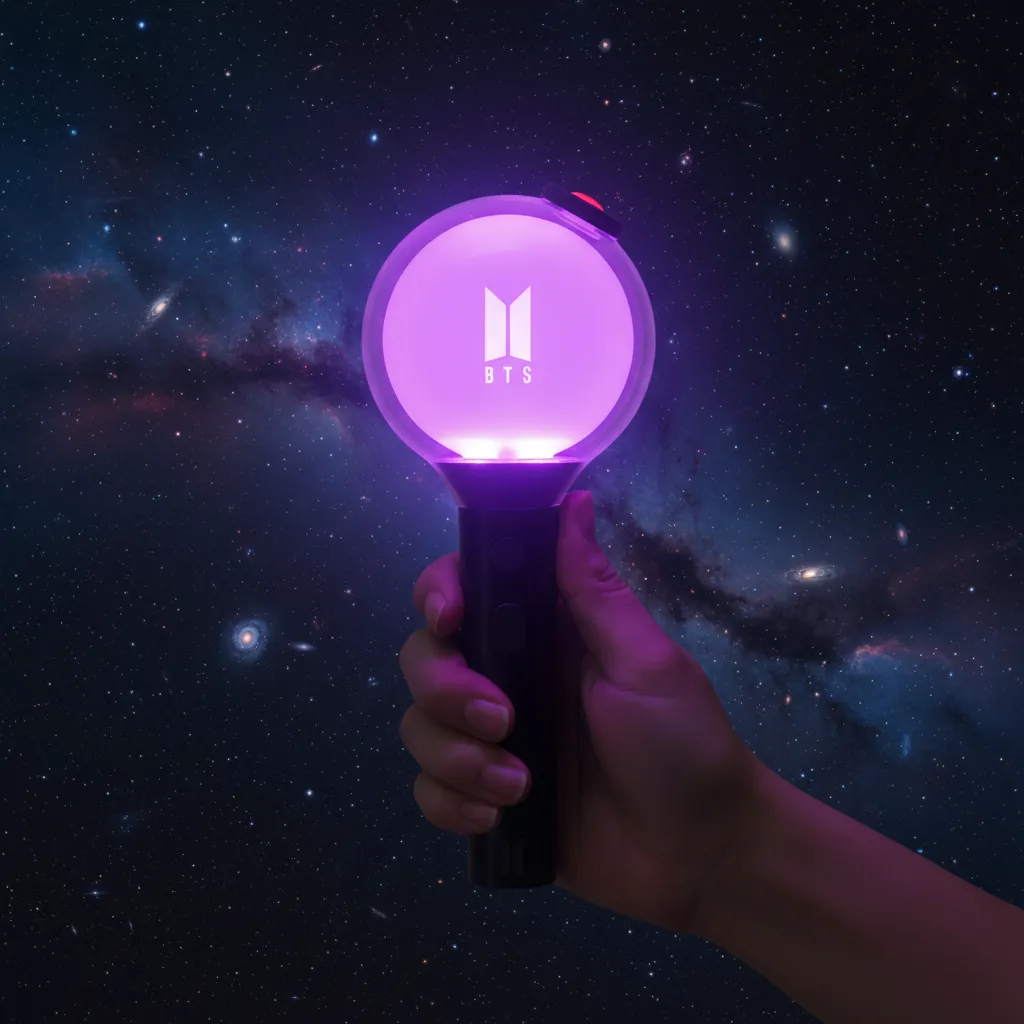
The K-POP wave has swept the globe, transcending a mere music genre to become a massive cultural phenomenon. Led by groups like BTS and BLACKPINK, countless K-POP acts have broken down language and national barriers, capturing the hearts of youth worldwide. How far will this fervor extend? And what will K-POP look like in 2026?
Today, we will delve deep into the future of K-POP in 2026 and explore the multifaceted reasons why the world is so captivated by its charm. If you're a K-POP fan or interested in K-culture, this article will offer a glimpse into upcoming K-POP trends and provide an opportunity to consider the values you might discover within this monumental shift. Let's embark on an exploration of K-POP's present and future!
K-POP: The Source of Its Global Allure
Several complex reasons explain why K-POP has stolen the hearts of people worldwide. It's not just about good music; it's about the unique, holistic experience it offers fans. Let's take a closer look at its core appeal.
Global fans enthusiastically embracing K-POP, the source of its cultural appeal
Flawless Performances and Unique Worldviews
Abstract image visualizing K-POP's perfect performances and unique worldviews
K-POP is akin to a "comprehensive art form" that satisfies both visual and auditory senses simultaneously. Its flawless performances, epitomized by synchronized choreography, are a testament to the masterful skills honed through countless trainee years, inspiring awe in viewers. Furthermore, each group's unique worldview (Universe) draws fans into a deeper immersion. For instance, EXO's superpower concept, BTS's "Hwa Yang Yeon Hwa" narrative, and aespa's virtual reality "FLAT" worldview go beyond simple music, allowing fans to follow a story that strengthens their devotion.
These worldviews influence music videos, album concepts, and even the relationships between members, offering fans the joy of interpretation and deduction. In BTS's case, they have gone beyond music and performance to champion social messages, fostering deep empathy and solidarity with their fans. Just as BTS previously supported anti-racism movements and raised their voices with fans, K-POP artists are recognized as figures with social influence, not just entertainers, further boosting fandom loyalty. This marks a crucial point where K-POP expands beyond mere entertainment to become a cultural phenomenon that shares values.
The Power of Fandom Culture and Communication
K-POP fandoms are more organized and active than those of any other genre. Fandoms like "ARMY" and "BLINK" are not just consumers; they are active participants who directly contribute to and communicate with their artists' growth. Through active engagement like album purchases, streaming, and voting, they contribute to their artists' success, creating a virtuous cycle that reinforces fandom pride.
Furthermore, K-POP artists place great importance on communicating with their fans. They share daily life moments and directly answer fan questions through various platforms such as V Live, Weverse, and Instagram Live, fostering a strong bond. This "intimate communication" makes fans feel like artists are not just idols, but companions growing alongside them. Fans are even influenced by artists' fashion styles and album designs, consuming related "K-culture" products and becoming agents of cultural dissemination. This powerful fan support and communication style play a decisive role in K-POP's global expansion.
K-POP in 2026: An Even Broader Global Stage
In 2026, K-POP will not rest on its current success but will evolve in even more innovative directions. Technological advancements and localization strategies are expected to be key drivers in broadening K-POP's horizons.
Technological Convergence and New Content Experiences
K-POP in 2026 will offer fans a new dimension of experience through its convergence with cutting-edge technologies like Artificial Intelligence (AI), the metaverse, and Virtual Reality (VR). Virtual idol groups such as MAVE: and PLAVE are already active, showcasing visuals and performances so refined they are hard to distinguish from real idols. By 2026, these AI-based idols will become even more prevalent, and fans will engage in highly immersive experiences: directly communicating with artist avatars in metaverse spaces, participating in virtual concerts, and even generating personalized content.
Moreover, K-POP artists' fashion and design will also expand through technological convergence. Digital fashion, NFT-based limited edition outfits, and augmented reality (AR) applied to stage costumes will maximize visual enjoyment and provide fans with diverse opportunities to consume artist styles. Fans will move beyond simply listening to music to "experience" K-POP through technologically integrated visual and interactive content.
Localization Strategies and the Rise of Multinational Groups
For K-POP's global expansion, "localization" is an unavoidable strategy. In 2026, Korean entertainment agencies will intensify their "global idol projects," scouting talent from various countries and debuting groups directly in local markets. Groups like NCT, with its multinational members, or JYP's NMIXX and SM's new groups already include members of diverse nationalities, targeting the global market.
This will evolve beyond simply recruiting foreign members to presenting "customized K-POP" that deeply understands and reflects the cultural characteristics of specific countries or regions. For example, groups targeting the Latin American market will incorporate K-POP elements into local music styles and actively use Spanish lyrics, while groups for the Middle Eastern or Southeast Asian markets will convey concepts and messages reflecting the sentiments and preferences of those regions. These localization strategies will further broaden K-POP's reach, leading to the emergence of "local K-POP stars" across the globe.
K-POP's Challenges and Opportunities for Sustainable Growth
For K-POP to achieve sustainable growth beyond 2026, it must not rest on its current success but address several important challenges and explore new opportunities.
Ensuring Diversity and Creative Freedom
While K-POP boasts high production quality, it sometimes faces criticism for being confined to a standardized framework. In 2026, K-POP needs to move towards ensuring musical diversity and further respecting artists' creative freedom. Rather than focusing solely on specific genres or concepts, it's crucial to experiment with various genres like hip-hop, rock, ballads, and EDM, and to create an environment where individual artists can fully unleash their musical capabilities.
Furthermore, systemic improvements are needed to reduce the mental and physical pressure artists face and enable them to maintain healthy careers. Excessive schedules, privacy invasion, and malicious comments can lead to artist burnout, which could ultimately result in losses for the entire K-POP industry in the long run. Respecting artists' creative activities and ensuring their individuality and autonomy will deepen K-POP's artistic quality and provide fans with more authentic music.
Intellectual Property Protection and Fair Distribution
As K-POP's global stature rises, intellectual property (IP) protection and fair profit distribution become even more critical. It is essential to thoroughly protect the rights to artists' creations, including music, choreography, and concepts, and to take strong action against unauthorized appropriation or infringement. This safeguards the value of K-POP content and fairly compensates creators for their efforts.
Moreover, it is necessary to establish a transparent system that ensures fair profit distribution among artists, agencies, and other stakeholders. Unfair contracts or profit-sharing issues can demoralize artists and, in the long term, hinder the healthy growth of the industry. By 2026, the K-POP industry should mature further, building a fair and transparent ecosystem where all participants can thrive together, thereby solidifying global fan trust.
Conclusion
K-POP in 2026 will expand and evolve beyond its current success through technological convergence and localization strategies. Flawless performances, unique worldviews, and strong communication with fans will continue to be K-POP's core attractions, earning it love from people worldwide. However, for sustainable growth, it must address challenges such as ensuring diversity, respecting creative freedom, and protecting intellectual property while ensuring fair distribution.
K-POP is more than just a music genre; it is a powerful medium that introduces Korean culture and identity to the world, acting as a vanguard of "K-culture." We anticipate that K-POP will continue to innovate and develop in the coming year 2026, inspiring and entertaining more people, and extending its positive influence by breaking down cultural boundaries. We invite you to join us in supporting the future of K-POP and participating in the evolving flow of K-culture!
이 포스팅은 쿠팡 파트너스 활동의 일환으로, 이에 따른 일정액의 수수료를 제공받습니다.